
Managing Boise Back Pain Flares Before You See a Chiropractor
Back pain flares can stop your day fast. One moment you are lifting a backpack, cleaning up the yard, or sliding into the car, and the next your back tightens and every move feels sharp and guarded. Knowing how to calm things down safely at home can make a big difference while you are waiting to see a chiropractor or another provider.
As fall routines pick up around Boise and Meridian, many people feel more strain from sports gear, school bags, yard work, and longer drives. In this guide, we will walk through simple steps to help you stay as comfortable as you can, signs that mean you should get urgent medical care, and gentle ways to move, rest, and protect your back until you can get checked in person.
Calm the Flare: First Steps When Back Pain Hits
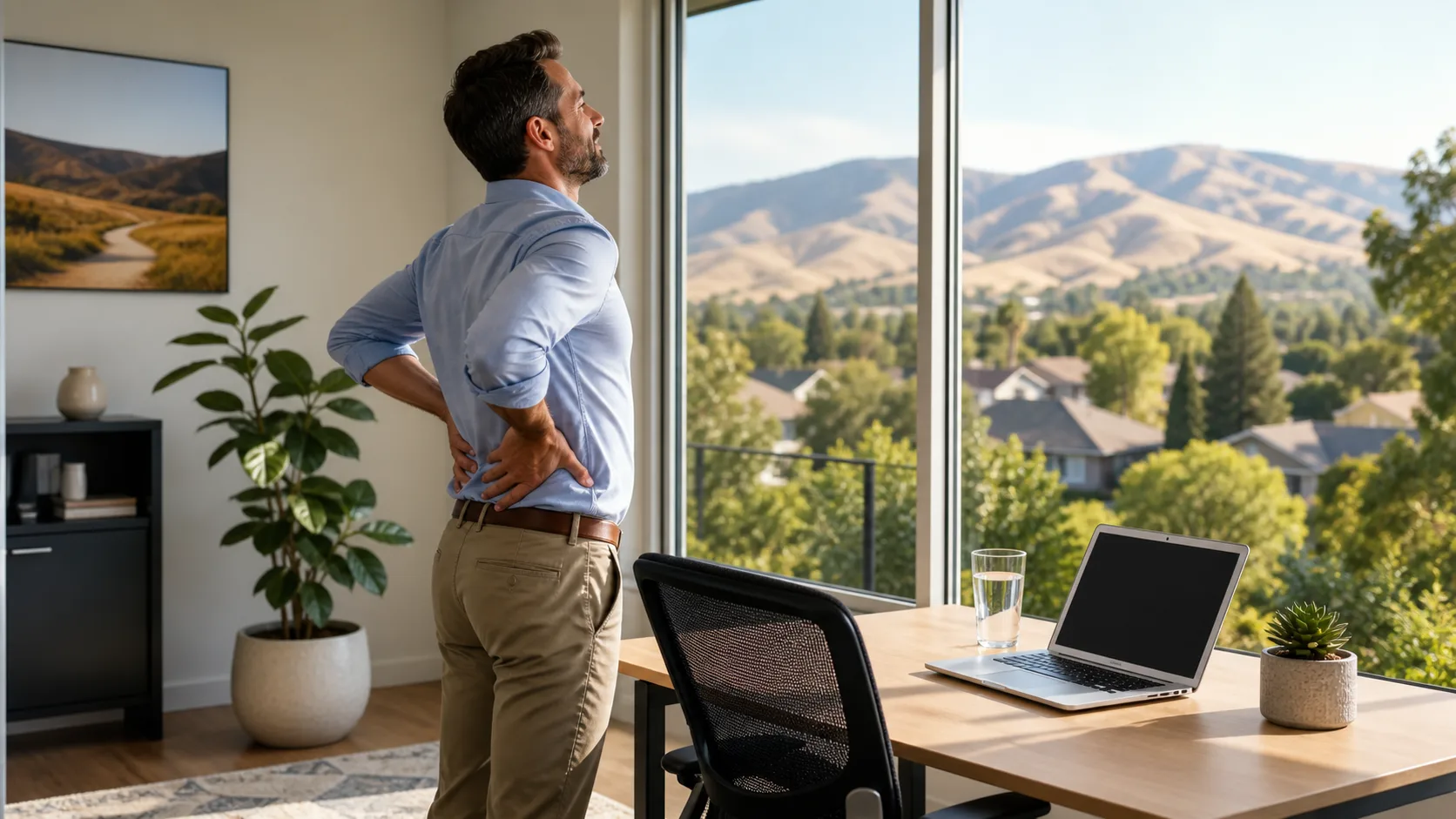
A back pain flare is a sudden increase in pain, tightness, or stiffness in your spine. It can follow a clear moment, like bending to pick up a box, or it can sneak up after a busy day of sitting, driving, or standing on the sidelines at kids’ sports. As school and work routines ramp up in late September, these flares tend to show up more often.
When a flare starts, your first goal is to calm things down, not to push through. These steps are meant to help you feel a bit better until you can be seen by a provider in Meridian or Boise.
Start with a few basics:
- Stop the activity that triggered the pain
- Move carefully to a position that feels safest
- Take slow, relaxed breaths to keep muscles from tightening more
- Avoid quick bending or twisting while the flare is intense
It is normal to feel nervous when pain spikes, but many flares respond well to gentle, home-based care. The goal is not to fix the problem on your own, only to keep things from getting worse and to find some short-term comfort.
Know When Back Pain Is an Emergency
Not all back pain is the same. Some symptoms are red flags and need urgent or emergency medical care right away. Home care is not the right choice if you notice:
- Loss of bladder or bowel control
- Numbness or tingling in the groin or saddle area
- Sudden, strong weakness in one or both legs
- Severe back pain after a major fall, crash, or injury
- Back pain with fever, feeling very sick, or unexplained weight loss
Uncomfortable but manageable pain might look like: You can still walk slowly, change positions with care, and find at least one place to lie or sit that feels a bit better. Potentially serious pain often feels different: Pain is intense no matter how you move, your legs feel weak or strange, or you notice the red flag signs above.
A simple guide:
- Call 911 if you have trauma, sudden leg weakness, loss of bladder or bowel control, or numbness in the groin area
- Go to the ER or urgent care if pain is severe with fever or you feel very unwell
- Call your primary care provider if pain is new and strong, and you are not sure if it is safe to wait
Once serious causes are ruled out, it can be appropriate to schedule with a chiropractor to look at how the spine and nervous system are working and to build a longer-term plan.
Gentle Home Moves to Ease a Fall Flare-Up
When a flare is not an emergency, gentle positions and small movements can help. The key is to stay in a pain-free or very low-pain range and move slowly.
Spine-friendly rest positions include:
- Lying on your back with a pillow or two under your knees
- Lying on your side with a pillow between your knees and your hips stacked
- Reclining in a chair with a small pillow or rolled towel behind your low back
These positions help take pressure off the joints and muscles that may be irritated after yard work, long bleacher sitting, or lifting kids’ bags.
You can also try light movements, if they feel safe:
- Pelvic tilts: Lying on your back, gently rock your pelvis so your low back flattens lightly into the surface, then relax
- Knee-to-chest variation: Lying on your back, slide one heel toward your bottom until the knee bends, then straighten back out, staying in a comfortable range
- Child’s pose against a couch: Rest your hands or forearms on the edge of a couch while you lightly sit your hips back, stopping well before pain
- Short walks: Take slow, flat walks around the house or office for a minute or two at a time
Complete bed rest can actually make a flare last longer. Light movement keeps circulation going and helps joints get the nutrition they need. For many people in our active Treasure Valley community, a pattern of rest, gentle movement, and then rest again works better than staying in one spot all day.
Smart Use of Cold, Heat, and Over-the-Counter Options
Cold and heat can both be helpful, but at different times. Cold is usually better right after a new or sharp ache starts, like after raking leaves or lifting boxes. It can help calm irritation in the area.
Tips for cold:
- Use a cold pack or a bag of ice with a thin cloth between it and your skin
- Apply for about 10 to 15 minutes, then give your skin a break
- Do not fall asleep on an ice pack
Gentle heat can feel better a day or two later, when muscles are tight and stiff rather than sharply painful.
Tips for heat:
- Use a warm (not hot) pack, hot water bottle, or warm shower
- Limit to about 10 to 15 minutes at a time
- Stop if your skin feels overly hot or irritated
Over-the-counter topical creams, gels, or patches can offer short-term comfort. These work on the surface of the skin instead of throughout the whole body like oral medications. If you have health conditions or take other medications, it is always a good idea to check with a healthcare provider or pharmacist before adding anything new.
Common fall triggers in our area include:
- Longer sitting as the weather cools
- Driving kids to and from school and activities
- Extended commutes into Boise for work
Try pairing cold or heat with brief movement breaks. For example, use a warm pack before a short walk around the office or a quick set of gentle stretches during a driving break.
Protect Your Back During Busy Fall Routines
Back protection starts with everyday habits. Small changes in how you lift, carry, and sit can reduce how often flares show up.
Family-focused tips:
- Keep backpacks as light as possible and use both shoulder straps
- When loading or unloading sports gear, bend at the hips and knees, not your waist
- Hold younger kids close to your body and avoid twisting while you carry them
For desk work, remote work, or long drives:
- Adjust your seat so your hips are level with or slightly above your knees
- Use a small pillow or rolled towel for low back support
- Keep screens at eye level so you are not looking down for long periods
Simple micro-habits can also help:
- Do a quick stretch while your coffee brews
- Take a 5-minute walk break every hour or two
- Swap one evening of couch time for a gentle walk around the block in Meridian or your own neighborhood
These small steps add up and can make flares less frequent and less intense over time.
When to Call Highland Chiropractic for Ongoing Relief
Home care is most helpful for mild, short-lived flares. It is time to get checked when:
- Pain lasts more than a few days without clear improvement
- The same activity keeps bringing the pain back
- Back pain starts to affect your sleep, work, or ability to care for your kids
At Highland Chiropractic in Meridian, we focus on gentle, family-friendly care. A typical visit includes a careful assessment, time to talk through your daily routine, and a plan that is personalized for you. We see newborns, kids, adults, and expecting moms, and we work to support both pain relief and long-term wellness.
Chiropractic care can fit alongside the home strategies you use, helping your spine and nervous system move and function better so your body can handle daily life with less strain. With the right support, many people find that back pain relief in Boise and the surrounding Treasure Valley becomes more about steady progress and fewer flares, instead of just reacting when pain gets intense.
Take The Next Step Toward Lasting Back Pain Relief
If back pain is limiting your work, sleep, or time with family, we are here to help you move comfortably again. At Highland Chiropractic, we take the time to understand your history so we can tailor care to your specific needs. Learn how our focused chiropractic care can provide effective back pain relief in Boise and support your long-term spinal health. Schedule your first visit today so we can start working together on a clear plan to reduce pain and restore your quality of life.